
Field notes / Insurance
When Insurance Doesn't Cover the Full Roof Replacement
Understand the difference between a deductible, depreciation, a scope disagreement, and a true funding gap before arranging payment.
By WorkHorse Roofing · September 2026 · 5 min read
The short answer
Understand the difference between a deductible, depreciation, a scope disagreement, and a true funding gap before arranging payment.
An insurance estimate and a roof replacement proposal can show different numbers without explaining why. Before borrowing the difference, identify what each document includes, what your policy pays, and whether another payment remains conditional. A funding gap can be permanent, temporary, or partly the result of different scopes of work.
This guide gives Houston homeowners a way to organize that review. It does not predict coverage for an individual claim. Your policy, endorsements, insurer's explanation, and actual roof condition are the documents that matter for your project.
Put the two estimates on the same page
Begin with the contractor's written scope and the insurer's itemized estimate. Highlight the areas of the roof included in each. Then compare removal, materials, accessories, flashing, disposal, and any interior repair separately. Ask the contractor to explain construction items in plain language and point to supporting photographs.
Do not assume the total difference is all your responsibility, or that all of it will later be paid. Write a question beside each mismatch. For example: “The contractor includes replacement of this flashing; where does the insurance estimate address it?” That is a more useful question than a request to make the final totals match.
Keep optional improvements on their own line. A different shingle selection or an added project may be worthwhile, but separating it makes the cost of restoring the roof easier to understand.
Identify the deductible first
The deductible is the portion you are responsible for under the policy. Ask your insurer to confirm the applicable deductible and its dollar amount for this loss. Do not calculate from memory or assume the number on another household claim applies to the roof.
Texas does not allow a contractor to waive, rebate, or absorb a property insurance deductible. The Texas Department of Insurance explains the rule and proof-of-payment issue. Keep the actual payment record with the project file.
In your worksheet, give the deductible its own row. If a contractor's proposal seems to erase it, ask for a transparent explanation and discuss the proposal with your insurer before signing. Financing a payment does not make that payment disappear from the project cost.

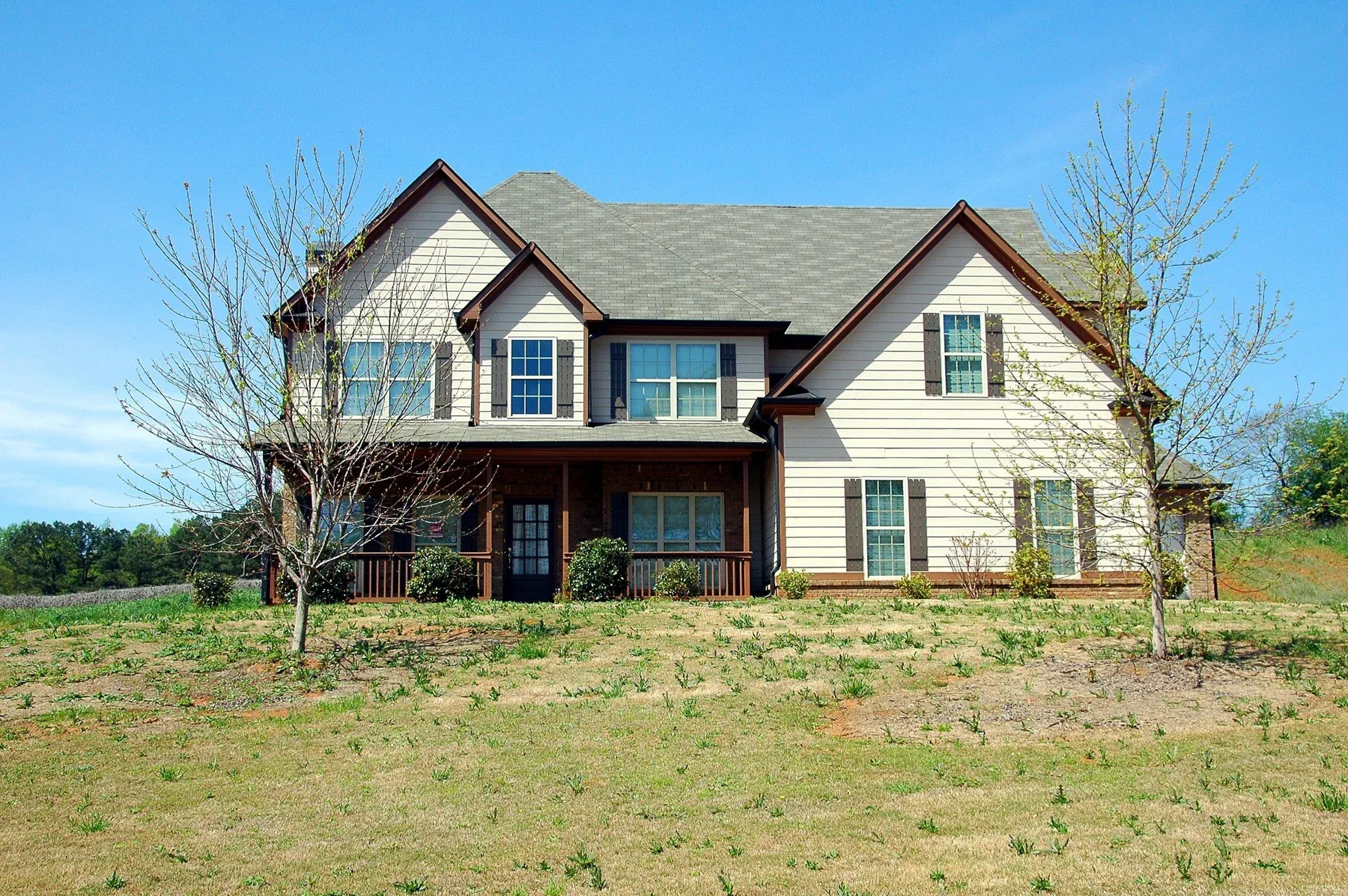
A residential roof illustrates the scope homeowners discuss when planning a replacement.
Find out whether depreciation is recoverable
Replacement cost and actual cash value are different coverage arrangements. Actual cash value reflects a reduction for age or condition; replacement cost coverage can provide additional reimbursement subject to policy requirements. Review TDI's explanation of the difference, then ask your insurer how your specific roof is covered.
Use three questions: “Is this depreciation recoverable?”, “What must I submit to receive it?”, and “What deadline applies?” Request the answer in writing or save the insurer's written instructions. A first check may not be the final payment, but an expected later payment should never be treated as guaranteed without confirming its conditions.
Create separate columns for money received, money conditionally available, and money not covered. That distinction helps you see whether you need a long-term funding plan or merely need to understand the sequence of payments.
Separate construction questions from coverage questions
A roofing contractor can describe the roof's condition and provide an estimate for the work. Questions about the policy's meaning and the claim decision belong with the insurer or an appropriately authorized professional. Texas prohibits a contractor doing the roofing work from also acting as a public adjuster on that claim; TDI describes the boundaries.
Ask WorkHorse for a clear construction explanation you can review with your insurer. Avoid treating a contractor's opinion about the needed work as a promise of claim payment. Both conversations are necessary, and each answers a different question.
If you disagree with an insurer's position, request its explanation and the policy provision it relies on. Keep the disagreement organized around the relevant facts and documents. TDI's homeowners disaster-claims FAQ offers information about next steps when a payment or decision is disputed.
Build a funding plan from confirmed amounts
Imagine two homeowners receive the same first check. One has additional reimbursement available after documented completion; the other has a policy that will not pay that difference. Their immediate bank balances look alike, but their financing decisions may be very different. This is why a first check alone is a poor project budget.
Start with the agreed contractor price. Subtract money already available for the work. List any remaining reimbursement separately with its conditions. Decide how you would cover the balance if payment takes longer than expected, without assuming a particular claim outcome.
Our Houston roof financing comparison covers repayment terms, lender questions, and payment timing. Ask any lender about fees and early-payment terms if you expect to use a later insurance payment to reduce the loan.
Keep one project file through completion
Save the inspection photographs, estimates, insurer correspondence, signed agreement, change orders, invoices, and proof of payment in one place. Name each version with its date. When a number changes, preserve the earlier document and record the reason for the revision.
Before work starts, confirm who needs completion documents and what those documents must show. Before making final payment, review the completed scope and any remaining questions with the contractor. For the construction sequence, see what a roof replacement involves.
You can review Houston replacement planning or contact WorkHorse Roofing for a roof assessment. A documented roof scope is the starting point for a clear budget, whether the project is paid through savings, insurance, financing, or a combination.
Sources & further reading
WorkHorse field notes
Straight answers. Clear next steps. Built for Texas homeowners.