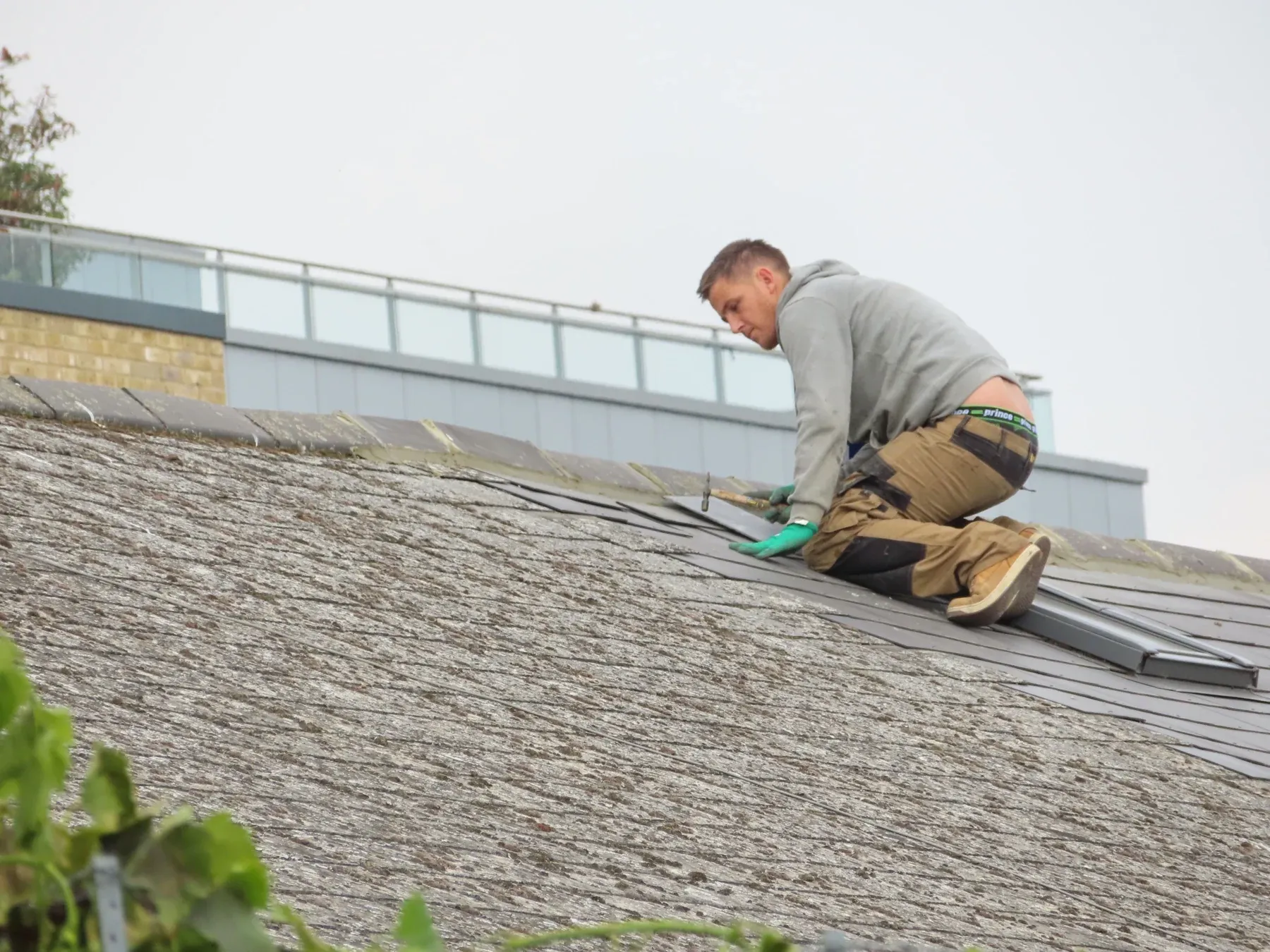
Field notes / Storm damage
After a Houston Hailstorm: How to Document Roof Concerns
Build a useful record of storm observations, visible damage, inspection findings, and insurance conversations without getting on the roof.
By WorkHorse Roofing · September 2026 · 5 min read
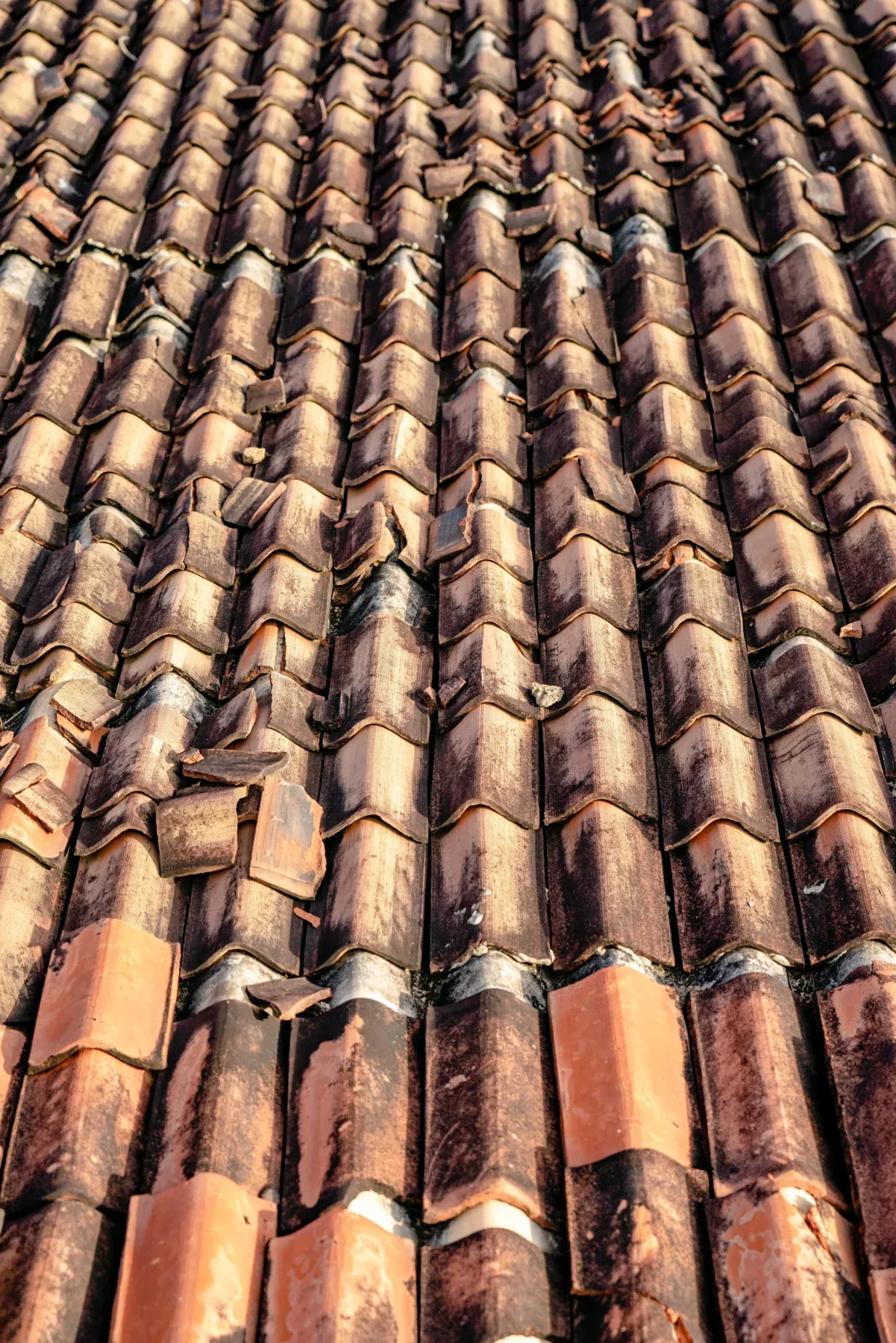
The short answer
Build a useful record of storm observations, visible damage, inspection findings, and insurance conversations without getting on the roof.
After hail passes through, it is tempting to rush outside, inspect every surface, and decide whether the roof needs replacement. A more useful first task is to create a clear record of what you can safely observe. Keep observations separate from conclusions until a professional has assessed the roof.
For a Houston homeowner, good documentation means that someone reviewing the file later can understand where a photograph was taken, when a problem was noticed, and what happened next. You do not need specialist equipment or access to the roof to begin that record.
Wait until it is safe to look around
Continue following weather information until the threat has ended. The National Weather Service's after-storm guidance recommends waiting until severe weather is over before checking property and using appropriate protective clothing around storm debris. Keep away from downed power lines and unstable structures.
Observe the roof from a safe ground position. Do not use a ladder to obtain a better photograph or walk onto a wet, damaged, or unfamiliar roof. If an area appears unsafe, record its location from a distance and leave the assessment to the appropriate professional.
Inside, avoid areas with unstable ceiling materials or electrical hazards. An urgent safety problem takes priority over getting a complete set of pictures. Your documentation can explain why an area could not safely be accessed.
Record when and where you noticed changes
Create one note with the property address, the date and approximate time of the storm you observed, and the date you first noticed each concern. Distinguish firsthand observations from information received from a neighbor or an alert.
For example, write “Found a detached shingle near the rear gate the following morning” rather than “The storm destroyed the back roof.” The first statement records something you know. The second draws a conclusion that still needs assessment.
If you have earlier exterior photographs, keep them in a separate before-storm folder. Do not change their dates or present them as current images. They may help explain the property's prior appearance without proving the cause of every later mark.
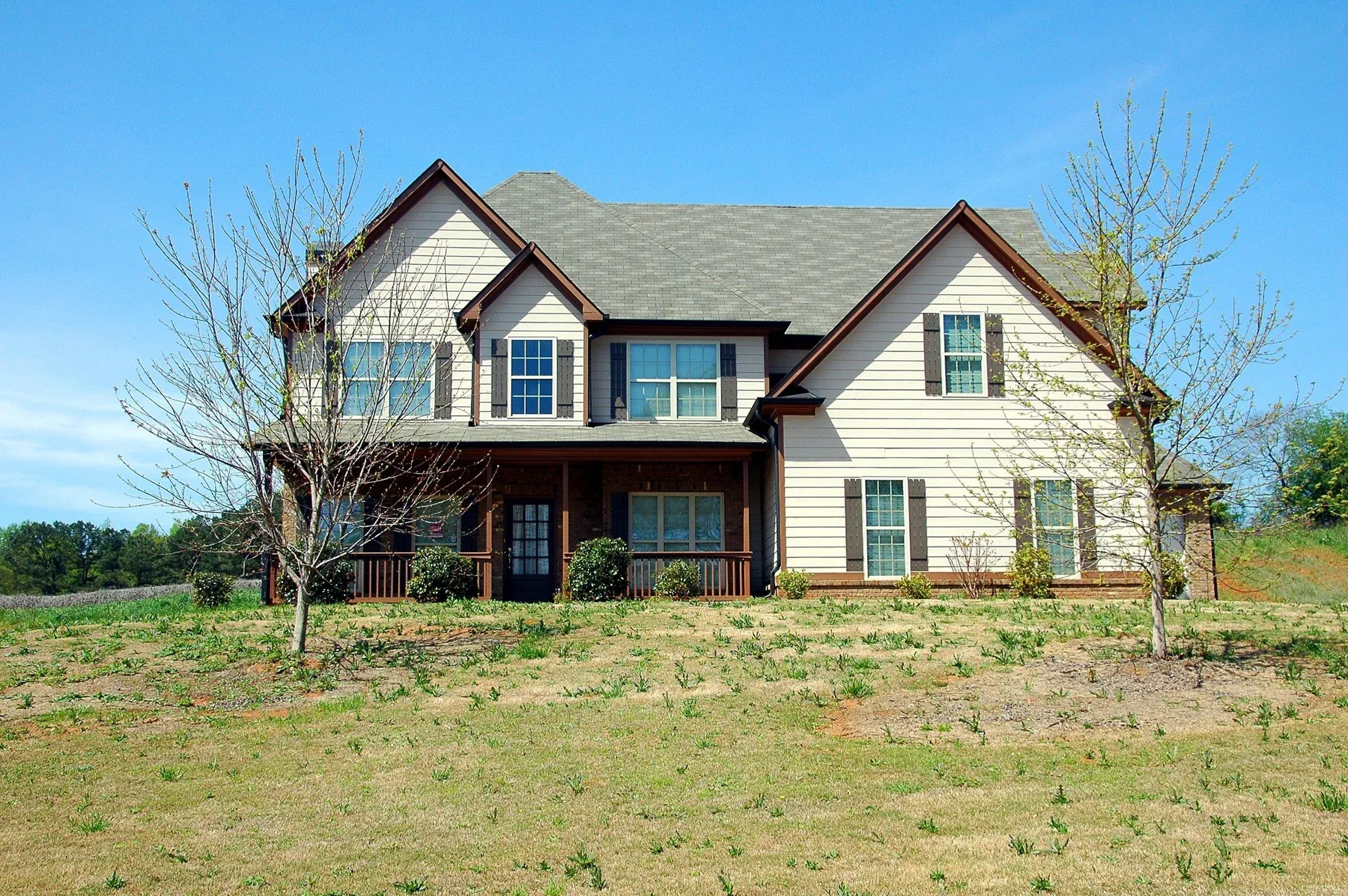
A house and roof provide context for organizing exterior inspection photographs.
Make photographs understandable to someone else
For each visible concern, take an overview that identifies the part of the house, followed by a closer image from a safe position. Give files simple labels such as “rear patio ceiling” or “front gutter near garage.” Preserve the original images as well as any labeled copies.
Use a brief written description beside each group. Record what is visible, whether water was present, and whether the condition changed between visits. Avoid editing images in ways that remove context or exaggerate marks. Your goal is an accurate record, not a persuasive effect.
Photograph related interior or exterior concerns as well as the roofline when safe. TDI's hail and windstorm guidance recommends pictures, video, a damage list, and retaining damaged items until the insurer provides instructions. Keep your observations organized by location so the inspection conversation can follow the same order.
Arrange protection without losing the record
If there is an opening or active water entry, ask for qualified help with temporary protection. Photograph conditions before that work when safe, then keep the temporary-work invoice and a record of what was done. Do not put yourself on the roof to install a covering.
TDI advises homeowners to protect against further damage, keep receipts, and get insurer approval before permanent repairs. See its claim-filing guidance. Ask your insurer how to document urgent work and what it needs to review before the permanent project begins.
Create a separate folder for receipts. A temporary repair, inspection, and eventual roof contract can otherwise become mixed together, making it difficult to explain which expense served which purpose.
Request an inspection that answers specific questions
Share your dated observations with the roofing contractor and ask for photographs of its findings. Request a distinction between visible damage, suspected causes, and items needing further investigation. A mark on a nearby surface does not automatically establish the condition of the entire roof.
Ask which roof areas were assessed, whether anything could not be accessed, and what repair or replacement scope is recommended. GAF's storm damage resources recommend professional roof assessment after a storm and checking the claim process with your carrier.
Compare the report with your own list. If the contractor identifies a concern you had not noticed, ask for its location and explanation. If your original concern does not appear in the report, ask whether it was reviewed. Our repair-or-replacement guide provides additional questions for that discussion.
Keep insurance conversations in one timeline
If you contact your insurer, write down the date, the person's name, the claim number if assigned, and the documents requested. Save emails and upload confirmations. After each conversation, add the next action and who is responsible for it.
Ask the insurer about applicable reporting deadlines and inspection arrangements rather than assuming every policy follows the same process. Share accurate observations and the contractor's construction findings without presenting an expected payout as established fact.
A convenient file structure has five folders: observations, original photos, inspection reports, insurer correspondence, and invoices. Keep a short index at the top explaining what each contains. This organization is useful whether the outcome is a small repair, a replacement, or further investigation.
If replacement is recommended, review insurance funding gaps and Houston roof replacement planning before committing to payment. You can contact WorkHorse Roofing to discuss an inspection. Bring the record you have already made; it will give the conversation a clear starting point without requiring you to diagnose the roof yourself.
Sources & further reading
WorkHorse field notes
Straight answers. Clear next steps. Built for Texas homeowners.