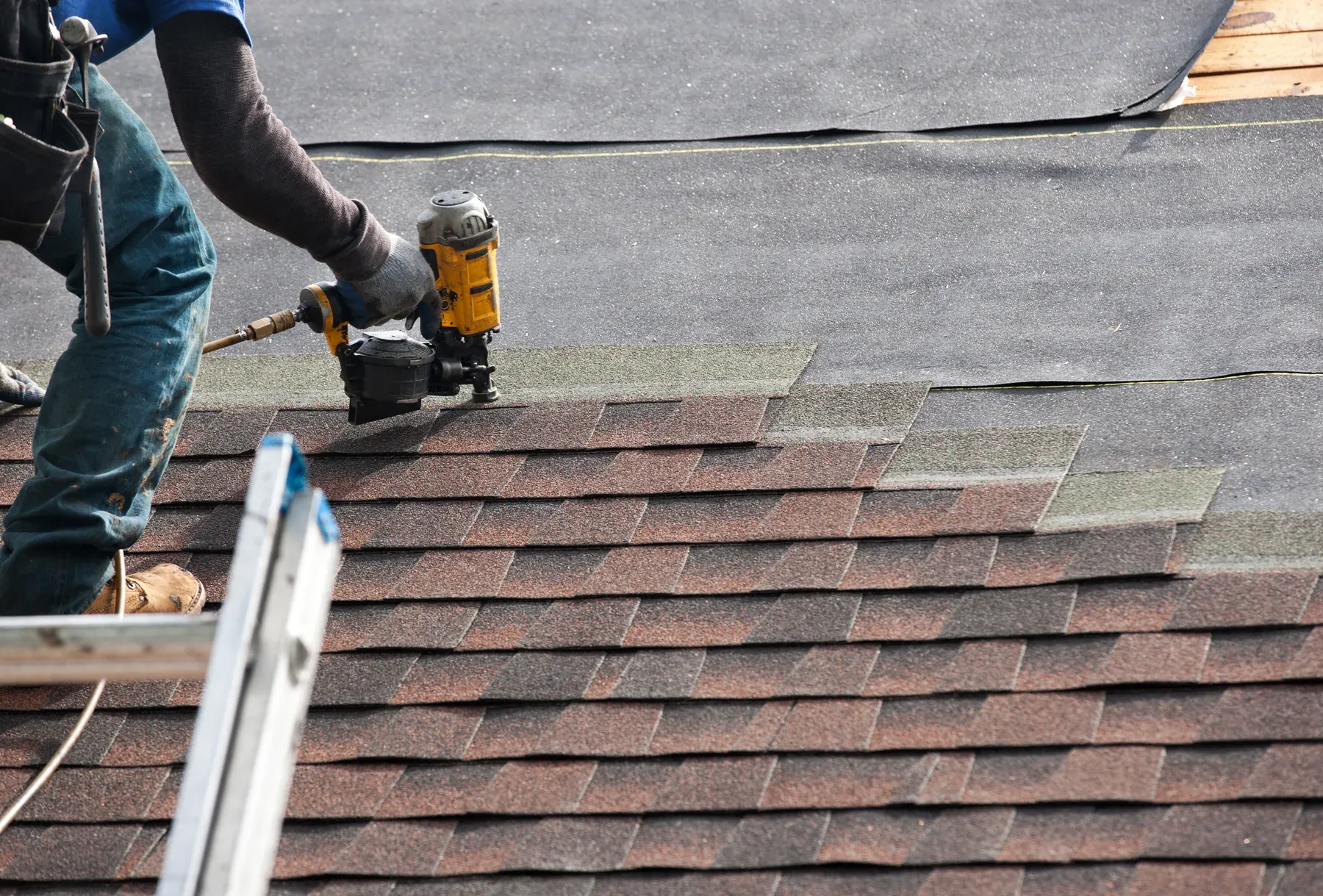
Field notes / Storm damage
Wind Damage or Hail Damage? What a Roof Inspector Looks For
Wind and hail leave different marks on a shingle roof. Here is what an inspector checks, which clues around the house matter, and why your storm notes help later.
By WorkHorse Roofing · October 2026 · 5 min read
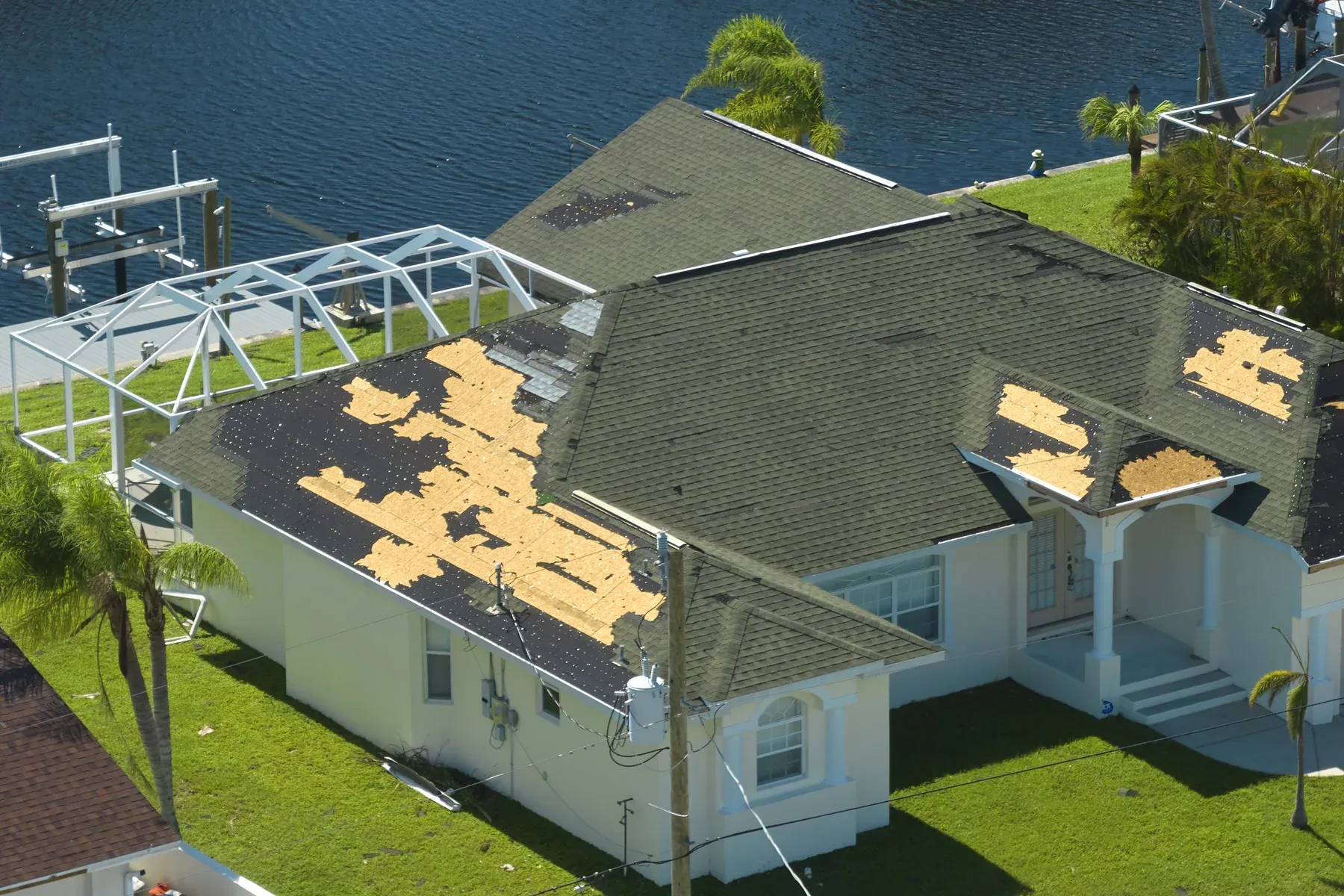
The short answer
Wind and hail leave different marks on a shingle roof. Here is what an inspector checks, which clues around the house matter, and why your storm notes help later.
After a strong Houston storm, many homeowners ask the same first question: was it the wind or the hail? The answer matters because the two usually leave different marks, show up in different parts of the roof, and are often described differently in an inspection report and an insurance estimate.
You do not need to diagnose the roof yourself, and you should not climb up to try. What helps is knowing what a careful inspector looks for, so you can follow the report, ask useful questions, and keep your own records consistent.
Start with the storm, not the roof
Inspectors begin with context. The National Weather Service treats a thunderstorm as severe when it can produce hail about an inch across or larger, or gusts above 58 mph, according to its severe thunderstorm safety page. That definition does not tell you what happened on your street, but it explains why a single storm can bring both threats at once.
Write down what you know while it is fresh:
- The date and approximate time the storm passed
- Whether you saw or heard hail, and roughly how large it looked
- Whether there were strong gusts, falling limbs, or debris in the yard
- When you first noticed a leak, a missing shingle, or a ceiling stain
Dates matter for a practical reason. The Texas Department of Insurance (TDI) notes in its home insurance guide that most insurers set deadlines for filing a claim, and some policies use a one-year limit unless you can show good cause for a delay. A clear note about when you noticed each problem keeps your file consistent later.
What wind damage usually looks like
An asphalt shingle depends on a sealant strip that bonds it to the course below. IBHS explains in its Roof 101 overview that wind can lift shingles that are not sealed and let water work underneath. When gusts get under a tab, it can fold back, crease, tear, or come off entirely.
Location is a clue. The FORTIFIED program run by IBHS describes roof damage that often starts when wind gets under the roof edge and begins peeling it back, which is why its standard strengthens the drip edge and starter strip (FORTIFIED Roof). An inspector checking for wind damage will usually spend time on:
- Eaves, rakes, hips, and ridges
- Shingles with a crease line or a tab that no longer lies flat
- Missing shingles, exposed nails, or shingle pieces in the yard or gutters
- Lifted flashing, damaged vents, or scrapes from blown limbs
Wind damage is often uneven. The slope facing the gusts may show problems while the opposite side looks untouched.
 Illustrative photo: an inspector reviewing notes on a clipboard.
What hail damage usually looks like
Hail strikes from above, so its marks look different. The IBHS homeowner guide Is it hail damage? explains that genuine hail hits on shingles are scattered with no regular pattern, and that a real hit usually leaves a bruise you can feel. In its own lab ratings, IBHS scores dents, granule loss, and tears or cracks.
The same guide warns about look-alikes. Blisters, manufacturing flaws, mechanical marks from installation or foot traffic, and the ordinary granule loss common along shingle edges can all be mistaken for hail. That is one reason a careful inspector looks at many shingles across several slopes before reaching a conclusion, rather than pointing to one spot.
The guide also calls ridge caps one of the most hail-vulnerable parts of a shingle roof, so expect them to get a close look.
Collateral clues around the house
Before going up, a good inspector walks the property. IBHS suggests looking for collateral signs: dents in metal flashing, dented air-conditioner fins, and spatter marks where hail knocked dirt or oxidation off metal surfaces. These suggest hail fell at the property, though on their own they do not prove the roof itself was damaged.
Wind leaves different clues: broken limbs, a leaning fence section, shingle pieces on the lawn, or a downspout pulled loose. You can photograph these from the ground. Our guide to documenting hail damage in Houston explains how to label photos so someone else can follow them.
Keep observations and conclusions apart in your notes. "Dented AC fins on the north side" is an observation. "Hail ruined the roof" is a conclusion that still needs an inspection behind it.
Stay off the roof and keep the record clean
The National Weather Service advises waiting until the threat has passed before checking property, staying out of damaged buildings, and reporting downed power lines to local authorities (after a thunderstorm). A wet or damaged roof is no place for a ladder and a phone camera.
From the ground and inside the house, you can still follow TDI's hail and windstorm tips:
- Take photos and video of the damage you can safely see
- Keep damaged items until your insurer says you can discard them
- Cover openings to keep rain out, and save every receipt
- Keep a list of everyone you speak with at your insurance company
How the inspection fits into a claim
A roofing inspection documents what is on the roof and what it would take to repair or replace it. The insurer, through its adjuster, decides what the policy covers. Ask for a report that separates what was observed, what the inspector believes caused it, and what could not be checked. Photos should show where each mark sits on the roof, not only close-ups.
If the report points toward replacement, understand how your policy pays before you sign anything. Our article on ACV and RCV roof coverage in Texas walks through that, and the Houston roof replacement financing page covers planning for costs a claim may not cover. Comparing companies after the storm? Read how to vet a roofer first.
If you would like someone to look over the roof and write down what they find, WorkHorse Roofing offers a free roof check in Houston, Conroe, Baytown, and surrounding cities. Call (210) 756-2374 to book one, and bring your storm notes. Evidence, not pressure.
Sources & further reading
WorkHorse field notes
Straight answers. Clear next steps. Built for Texas homeowners.