Field notes / Homeowner guides
Standing-Seam Metal or Architectural Shingles for a Houston Home?
Compare standing-seam metal and architectural shingles on Houston terms: heat and reflectivity, wind and hail ratings, noise, HOA rules, cost structure, and upkeep.
By WorkHorse Roofing · October 2026 · 5 min read
The short answer
Compare standing-seam metal and architectural shingles on Houston terms: heat and reflectivity, wind and hail ratings, noise, HOA rules, cost structure, and upkeep.
Standing-seam metal and architectural asphalt shingles are two of the most common choices in Houston roof replacement conversations. Each has supporters, and each can be the right call for a particular house, budget, and set of plans.
This guide does not pick a winner. It lays out how the two compare on Houston terms, including sun, storms, neighborhood rules, structure, cost, and upkeep, so you can ask sharper questions and judge the answers you get.
Heat and reflectivity in Houston sun
How hot a roof runs depends less on the material's name than on two measurable properties. The U.S. Department of Energy's consumer guide to cool roofs explains that solar reflectance (how much sunlight bounces off) and thermal emittance (how readily the surface sheds absorbed heat) together set a roof's "coolness," each measured from 0 to 1. Dark surfaces absorb more sunlight and pass more heat toward the attic.
The same guide notes that cool options exist for most traditional roofing, including both asphalt shingles and metal. Two caveats are worth knowing. Shingles lose some reflectance over time, so comparisons should use aged values. And it is rarely economical to replace a sound roof only to gain reflectance.
The ENERGY STAR label for roof products ended on June 1, 2022, according to the Cool Roof Rating Council, which publishes a directory of rated reflectance and emittance values. Ask for those values for the specific color you are considering. Attic ventilation and insulation also shape comfort; our attic ventilation guide covers that side.
Wind and hail: compare tested ratings
Both materials are rated, but by different tests. The Insurance Institute for Business & Home Safety (IBHS) explains in its Roof 101 overview that asphalt shingles carry wind classifications from standards such as ASTM D3161 and D7158 and rely on their sealant strips to resist uplift. Unsealed shingles are vulnerable, and sealing can take a week or two in summer and longer in poor conditions.
Metal roofs are tested as complete assemblies under standards such as UL 580 and UL 1897, and IBHS notes the system's design pressure rating should match the site. For hail, metal uses the same UL 2218 impact classes as shingles. IBHS also cautions that these standards test new products, not weathered ones.
In practice, ask each bidder which wind rating and impact class apply to the exact system quoted, and how the installation follows the manufacturer's instructions. A Class 4 rating on either material is not a promise of zero marks after hail; our Class 4 shingle guide explains why.
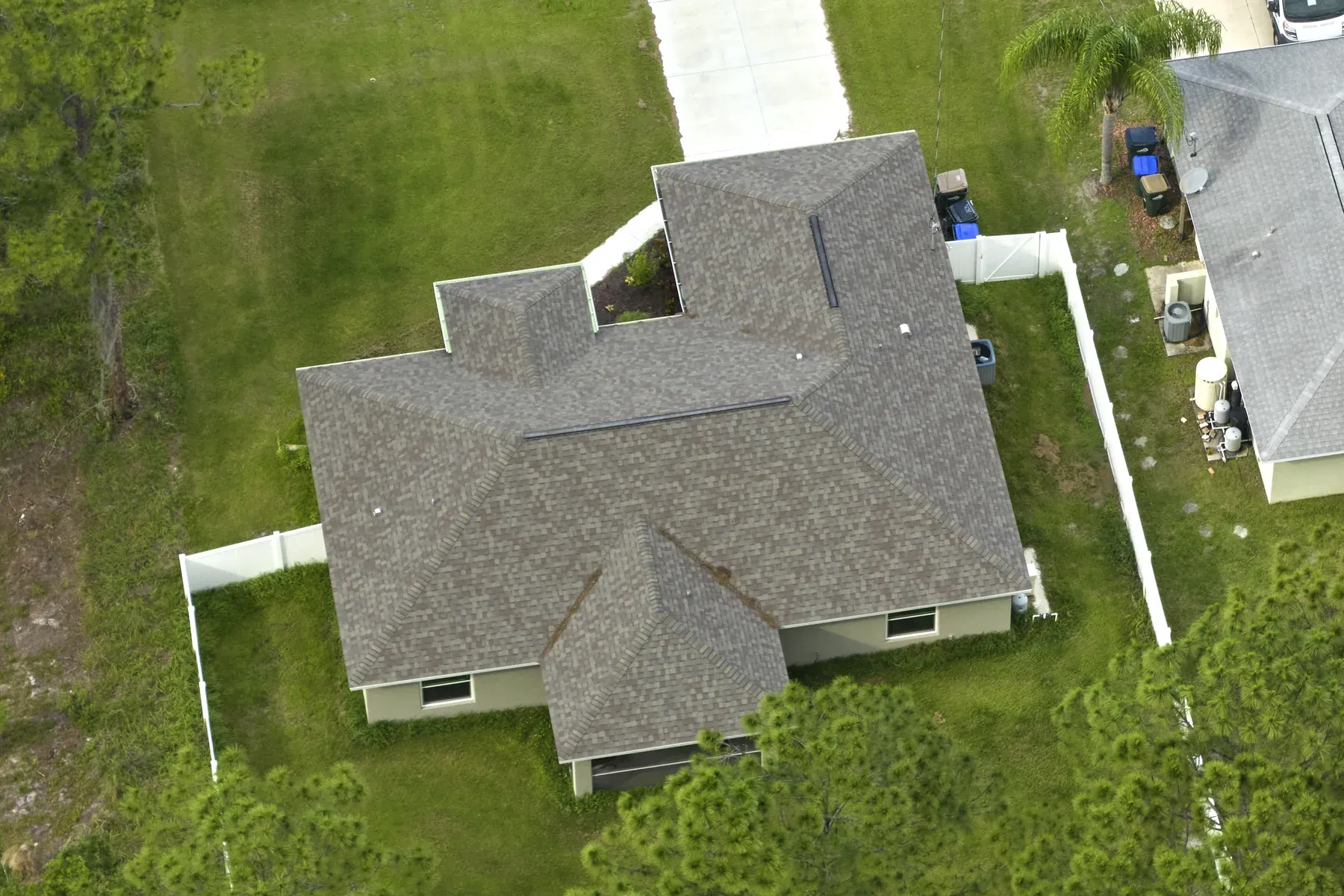 Illustrative photo: an architectural asphalt shingle roof seen from above.
Noise, decking, and what sits underneath
If your idea of how a metal roof sounds comes from rain on a barn or shed, keep in mind that many of those buildings have no attic or insulation under the panels. On a house, what sits under the roof, such as decking, underlayment, and attic insulation, shapes what you hear inside. Ask the installer to describe the full assembly rather than relying on general claims either way.
Decking matters for both materials. Neither a shingle roof nor a metal roof can make up for damaged or weak boards underneath. Ask whether the bid includes a decking inspection after tear-off, how replacement boards are priced, and who approves that change.
Also ask about ventilation and trim details. Ridge, eave, and penetration details differ between the two systems, and they are where many leaks start.
HOA rules and the look of the house
If you have a property owners' association, check its rules before collecting bids. A 2011 Texas law, House Bill 362, limits an association's ability to bar certain wind- and hail-resistant or energy-efficient shingles that resemble those already in the neighborhood. That provision speaks to shingles, so if you want metal, ask your association directly what it allows and what it needs to see, such as color samples or product sheets.
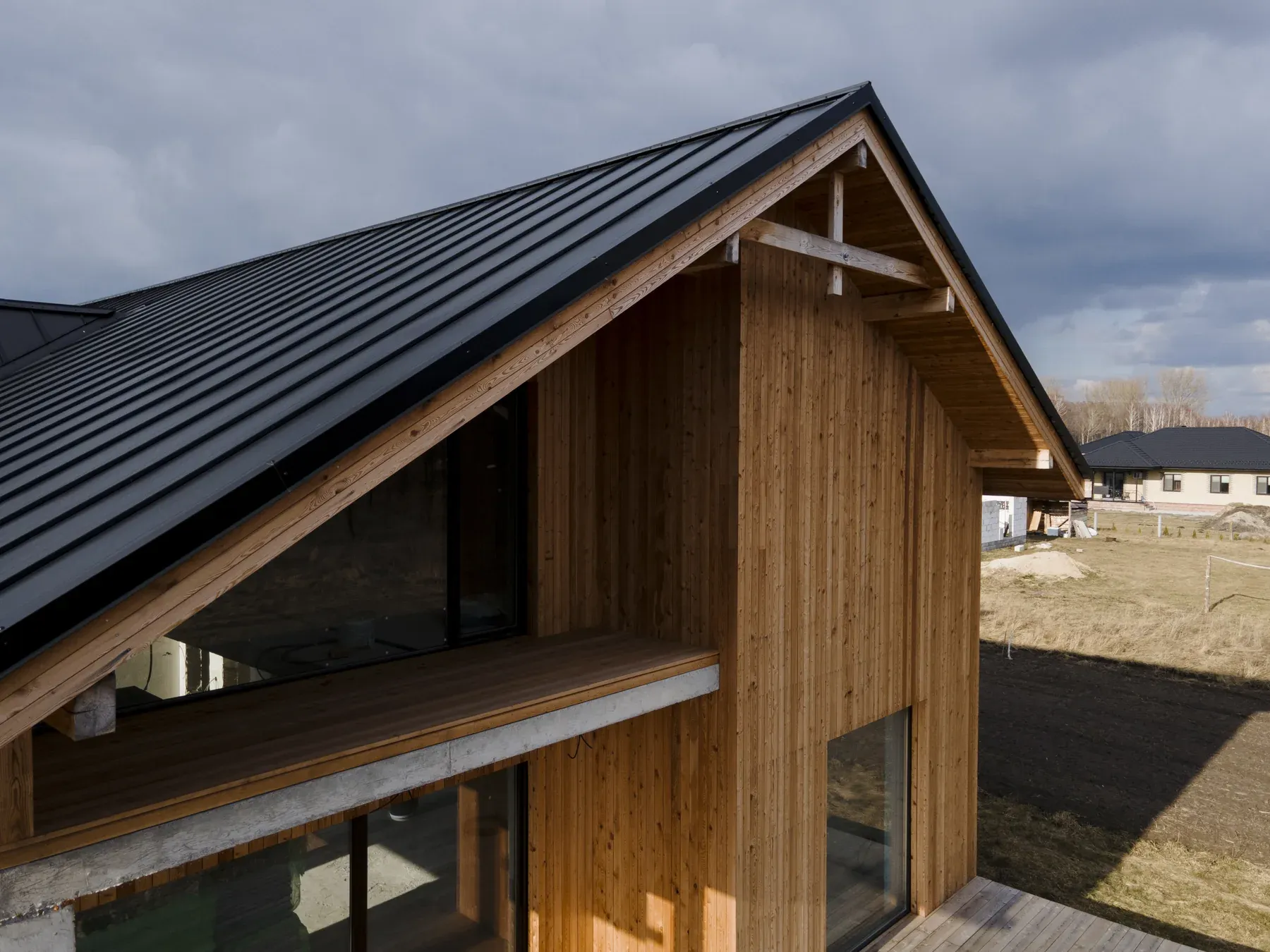
Appearance is a fair factor in its own right. Standing seam gives clean vertical lines; architectural shingles give a layered, textured look that is common across many neighborhoods. Look at real houses with each material and color before deciding.
Cost structure and upkeep, without the sales pitch
We will not quote prices here, because they depend on the house. What you can compare is the structure of each bid: material, tear-off, decking allowance, underlayment, flashing and trim, ventilation, and labor. Standing-seam work involves specialized panels and trim, so ask each bidder to itemize. Our guide to reading a roofing estimate shows what a complete line-item list looks like.
Upkeep differs too. Shingle roofs are typically checked for lifted or missing pieces, granule loss, and flashing wear. Metal roofs are checked for fastener and trim condition, sealant at transitions, and surface scratches. Ask each contractor what routine maintenance their system needs and what the warranty requires.
Insurance is part of the cost picture. The Texas Department of Insurance roof insurance column notes that policies may adjust coverage based on roof age and material and that some insurers discount materials resistant to wind, hail, or fire. Ask your agent before you choose.
Decision questions to bring to each bid
- How long do you plan to stay in the house?
- What does your HOA allow, and what will it need to approve?
- What wind rating and impact class does the exact system carry?
- What are the rated reflectance and emittance values for your color?
- What sits under the roof: decking, underlayment, ventilation?
- How do the manufacturer warranty and workmanship terms differ?
- What maintenance will each option need over the years?
WorkHorse Roofing installs both standing-seam metal roofs and impact-rated shingles in Houston, Conroe, Baytown and surrounding cities, so we can walk through both on the same visit. Call (210) 756-2374 to schedule a free roof check, and review roof replacement financing in Houston or our financing options guide if budget is part of the decision.
Sources & further reading
WorkHorse field notes
Straight answers. Clear next steps. Built for Texas homeowners.